
History: Lost Beneath the City
Beneath Edinburgh's Royal Mile lies Mary King's Close, a labyrinth of seventeenth-century alleyways sealed beneath the expanding city above. Once a thriving part of Old Town, it was home to merchants, labourers, families, and the poor who lived packed tightly together in conditions that would eventually become fertile ground for disease.
When plague swept through Edinburgh in 1645, the Close became one of many places touched by tragedy.
With no modern sanitation, waste was thrown directly onto the streets below. Narrow passageways trapped foul air, while overcrowded homes provided ideal conditions for infection to spread rapidly. Houses displaying white flags signalled the presence of plague within, relying on deliveries from brave volunteers willing to approach infected homes.
Many who entered the Close during those dark years never emerged again.
Records from the period detail deaths, suffering, and entire families affected by the outbreak. Yet among the countless names lost to history, one story would survive where official records fell silent. The story of a little girl called Annie.
Folklore: The Child Who Lost Her Doll
Unlike many ghost stories rooted in violence or revenge, Annie's legend is one of loneliness.
According to popular tradition, Annie lived in one of the plague-stricken rooms of Mary King's Close. During the outbreak she became separated from her family and died alone. Her favourite doll was lost, leaving her spirit unable to find peace.
For centuries there was no mention of Annie in local folklore.
Then, during the 1990s, the story took an unexpected turn.
While filming a documentary, Japanese psychic Aiko Gibo visited the Close. Upon entering a room off Allan's Close, she reportedly became overwhelmed with emotion and refused to continue. Gibo later claimed the spirit of a young girl had grabbed her leg, crying for her doll and desperately missing her family.
Deeply affected by the experience, she left the attraction and purchased a doll from a nearby shop before returning to place it in the room.
According to Gibo, the atmosphere changed immediately. The child had found comfort. Whether visitors believe the story or not, what happened next is undeniable. People began leaving gifts.
The Room of Toys
Word of Annie's story spread across the world.
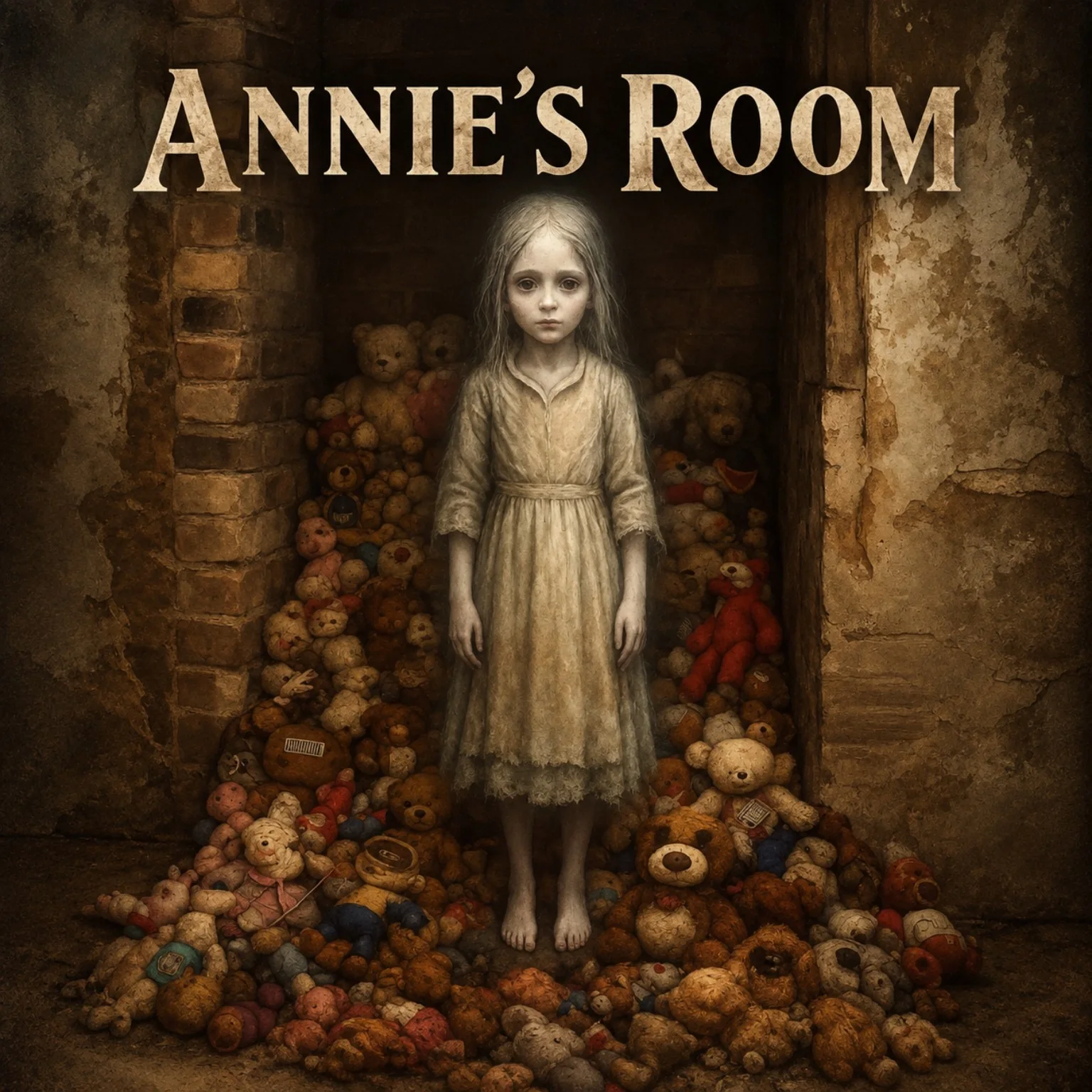
Visitors started arriving at Mary King's Close carrying dolls, toys, bracelets, drawings, jewellery, coins, teddy bears, and handwritten notes. What began as a single gift from a visitor evolved into a tradition that continues to this day. The room became known simply as Annie's Room.
Shelves and corners gradually filled with tributes from every corner of the globe. Police officers left badges. Children left favourite toys. Families left messages wishing Annie peace.
Unlike many supposedly haunted locations, the atmosphere described inside the room is often more emotional than frightening.
Many visitors report feeling sadness. Others describe a strong sense of sympathy. Some leave gifts despite arriving with no intention of doing so.
Researchers have attempted to identify a historical Annie. While no documented record confirms a child by that name, some historians have suggested she may have been the daughter of Jean McKenzie, a plague victim associated with Allan's Close. The truth remains uncertain. Yet the story persists.
Paranormal Aftermath: A Presence in the Darkness
Today, Annie's Room remains one of the most visited locations within Mary King's Close. Guides and visitors continue to report unusual experiences.
Some speak of sudden cold spots appearing without explanation. Others describe the feeling of being watched despite standing alone. A few claim they have seen small moving shadows or felt a light touch against their hand or clothing.
There have also been reports of toys shifting position and photographs capturing unexplained anomalies within the room.
One of the most curious moments in the story occurred in 2019 when Annie's original doll reportedly disappeared, sparking renewed discussion among guides, visitors, and paranormal enthusiasts.
Whether the disappearance had an ordinary explanation or something stranger attached to it remains unknown.
What is remarkable is that Annie's legend continues to inspire the same response it has for decades. People still leave gifts. People still tell her story.
And people still emerge from the underground streets speaking about a little girl they have never met, yet somehow feel they know.
Unlike many ghost legends, Annie's tale endures not because it frightens people. It endures because it invites compassion.
Among the plague victims, the forgotten families, and the countless lives swallowed by history, one child's story continues to resonate deeper than most.
Perhaps that is why visitors keep leaving toys behind. Not because they believe in ghosts. But because if Annie is still there, nobody wants her to feel alone.