
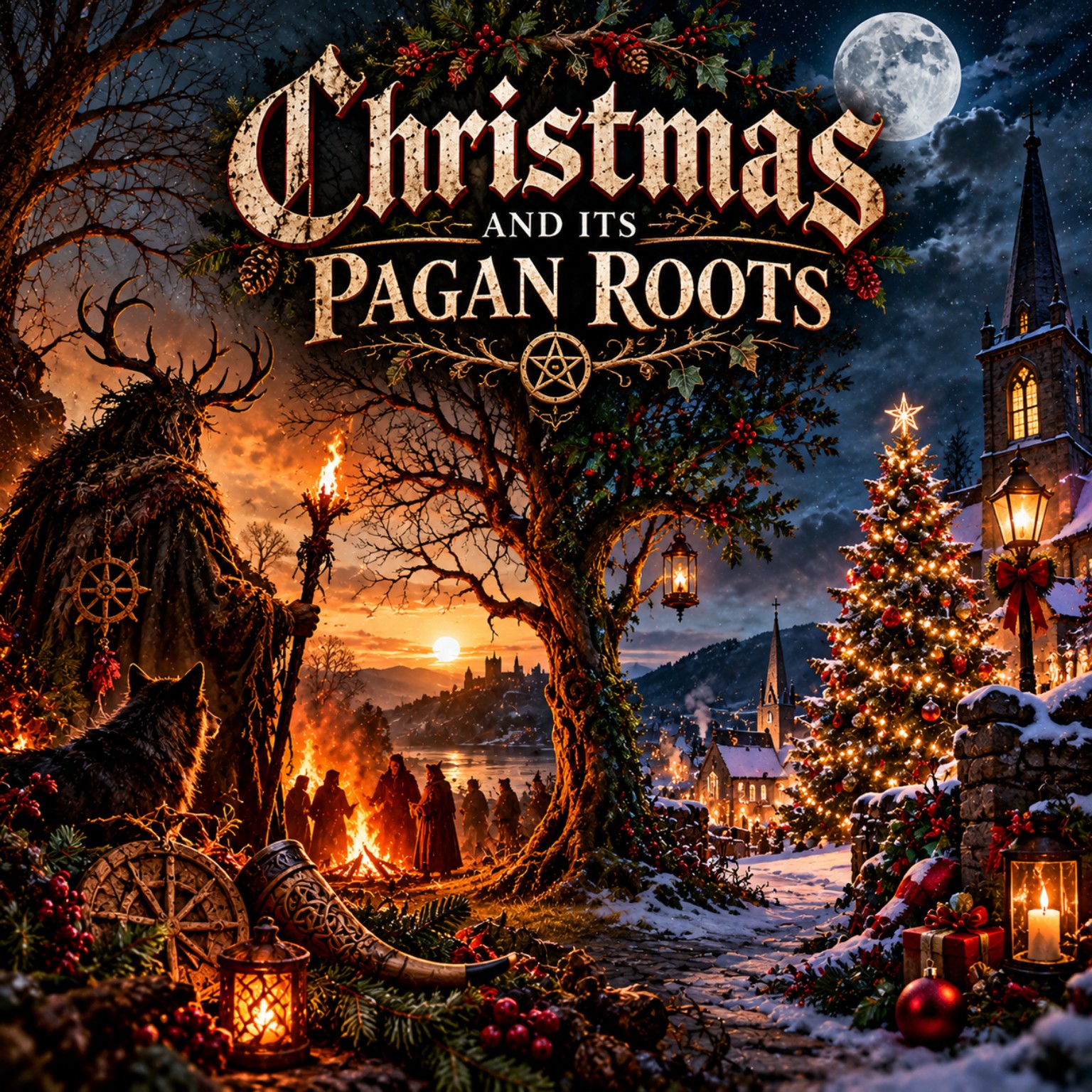
When we think of the Christmas season, our minds probably burst with images of lights, mulled wine, presents, busy shops and empty pockets.
There are however, older origins we can link to our modern day celebration. Let's take a look.
Twelve Days of Christmas
The origin of this period comes from the Pagan celebrations around The Winter Solstice, celebrated each December 21st until January 1st. During this period Pagan cultures celebrated their Gods’, In Norse Mythology Odin ‘’Yule Father’’ lead "The Wild Hunt". A frightening procession of ghostly huntsmen that would streak across the sky, their ghostly steeds, hounds, and birds travelling with them.
The Wild Hunt
The Norse Gods were heavily celebrated during The Winter Solstice, The Wild Hunt is not something a mortal would wish to witness as there have been stories of people being "taken to the underworld" by the huntsmen.
The hunting party can vary, some tales claiming that the group is made of fairies, other elves, though most settle on the idea of demons and devilish beings. Odin, the father of the Norse Gods, had a name that translates to Yule Father.
Why December 25th?
While Christians celebrate Jesus’s birth on December 25th, this date was made the official date of Jesus Birth to assimilate the Pagan people who celebrated the Roman God Mithras birth. Mithra was known as the Great Bull of the Sun and worshipped on a Sunday, was born on December 25th, He was called ‘’the good shepherd’.
Most Christian feast days have their origin in Pagan roots for this same reason of integration.
Carols
Carols were sung for all seasons in ancient times, but the tradition of Christmas Carols is the only one that survives today. Carols were sung to worship the old Gods and to scare away and evil spirits.
Mistletoe
In the Celtic times, druids observed the festival of Alban Arthan (also known as Yule).
They gathered mistletoe from oak trees, in an attempt to ward off evil spirits and grant them good luck. The Druids also started the famous tradition of kissing under the mistletoe.
The Christmas Tree
The Druids, Celts and Romans and other Pagans brought evergreens into their homes during winter, believing the plant's ability to keep its leaves was magical and assured the return of spring.
Germany is credited with starting the modern Christmas tree tradition as we now know it. In the 16th century sources recorded devout Christians bringing decorated trees into their homes. Some built Christmas pyramids of wood and decorated them with evergreens and candles if wood was scarce.
Queen Victoria's Consort, Prince Albert of England brought the Christmas Tree into the mainstream in 1848.
Santa Clause and his Reindeer.
Santa has his roots with the indigenous people of the North Pole, especially the Koryaks of Siberia and the Kamchadales. At this time of the year people celebrated the Winter Solstice. They would gather the Amanita Muscaria mushroom and dry them for use in rituals. These Mushrooms were used by the village Shaman to see visions of the future. Shamans would dress in a red outfit with white dots to represent the colours of the mushroom. The Village Shaman would climb on the top of the snow-covered yurts and drop the dried mushrooms down the chimney to the occupants inside.
Reindeer are linked to Santa as a result of the toxic nature of the Amanita mushroom to humans. Shama’s would feed the mushrooms to the reindeer who are much better equipped to handle the mushrooms effects. They Shamans would then and collect their urine to drink so they would still benefit from the hallucinogenic side affects but mitigate the toxins of the mushroom.
They often thought the reindeer could fly because of these hallucinations.
Linking back to Norse God Odin, Santa has eight reindeer to pull his sleigh because of Odin magical horse Sleipnir who had eight legs and would carry Odin across the realms at Yuletide on the wild hunt.
Wherever you are, I wish you all a happy and peaceful Holiday season.